
Now is the Time to Call Lawmakers to Support Childcare

Joe Dorman • May 14, 2024

The Oklahoma Legislature is approaching the constitutionally binding end of the annual session which must occur by 5 p.m. on the final Friday of May.

Each year, lawmakers come to the State Capitol in Oklahoma City to debate policy ideas for improving conditions for certain Oklahomans, and to pass an annual budget to keep state government operating.


In the work done by the Oklahoma Institute for Child Advocacy (OICA), much of our mission is driven to provide greater opportunities for young people often receiving delivery of services by the state. That can be for children in foster care, those who are in the care of the Office of Juvenile Affairs, or the hundreds of thousands of children who receive subsidized health insurance or delivery of meal services, or care for those who are facing long term care needs for the developmentally disabled.


Another category is the accessibility of services for childcare support for working families. Our state poverty rates show that more than one-fifth of Oklahoma’s children, about 200,000 kids, come from families who suffer intense poverty. Those guardians struggle with decisions on whether to feed their family, pay monthly bills, or cover medical costs. Some families must even decide if they can keep their low-wage job and pay for childcare, or if they must make the tough decision to quit their job to stay home with the children as childcare costs more than most low-wage jobs pay.


As reported last month by the Oklahoma Partnership for School Readiness (OPSR), the average price for infant care for one year at a childcare center in Oklahoma County is $11,080. That is a steep price considering the median household income in the county is $58,239. While the price drops slightly for services in the rural areas, unfortunately so does the income ratio for Oklahomans, making it more difficult to afford childcare.


Additionally, there is a critical shortage of available childcare services. In their 2023 childcare summary, OPSR found that 55% of Oklahomans live in a “childcare desert,” with either no providers within their zip code or too few available slots. The problem is even worse in rural areas, where 68% of Oklahomans have no access to childcare.


There are some ideas being considered which will hopefully make it across the finish line before the Legislature adjourns for the year.


One of the best options is House Bill 4147 by Rep. Suzanne Schreiber, D-Tulsa and Sen. Adam Pugh, R-Edmond. A wide array of organizations, ranging from us at OICA to The State Chamber, have been working to raise awareness about the needs addressed by this legislation.


The bill would incentivize businesses to share in the cost of childcare for their employees by providing a tax credit to businesses which provide employees with money to help pay for and find childcare or operate their own childcare service for employees.


This concept also helps businesses with employee retention so they can keep qualified, trained employees who they have already spent time and money on for training.


This is the week for you to contact lawmakers to help push this and other good ideas across the finish line. Please go to https://oica.org under “Advocacy” to find your state senator and representative. Then call and ask them to support childcare services and to adequately fund the services in this budget cycle.


Finally, a sad note this week. We at OICA just learned of the passing of Ray Potts. The Potts family was our lifetime achievement in child advocacy award recipient last year. Join us in expressing our deepest sympathy to Pat Potts and their entire family.


By Jay Paul Gumm December 9, 2025
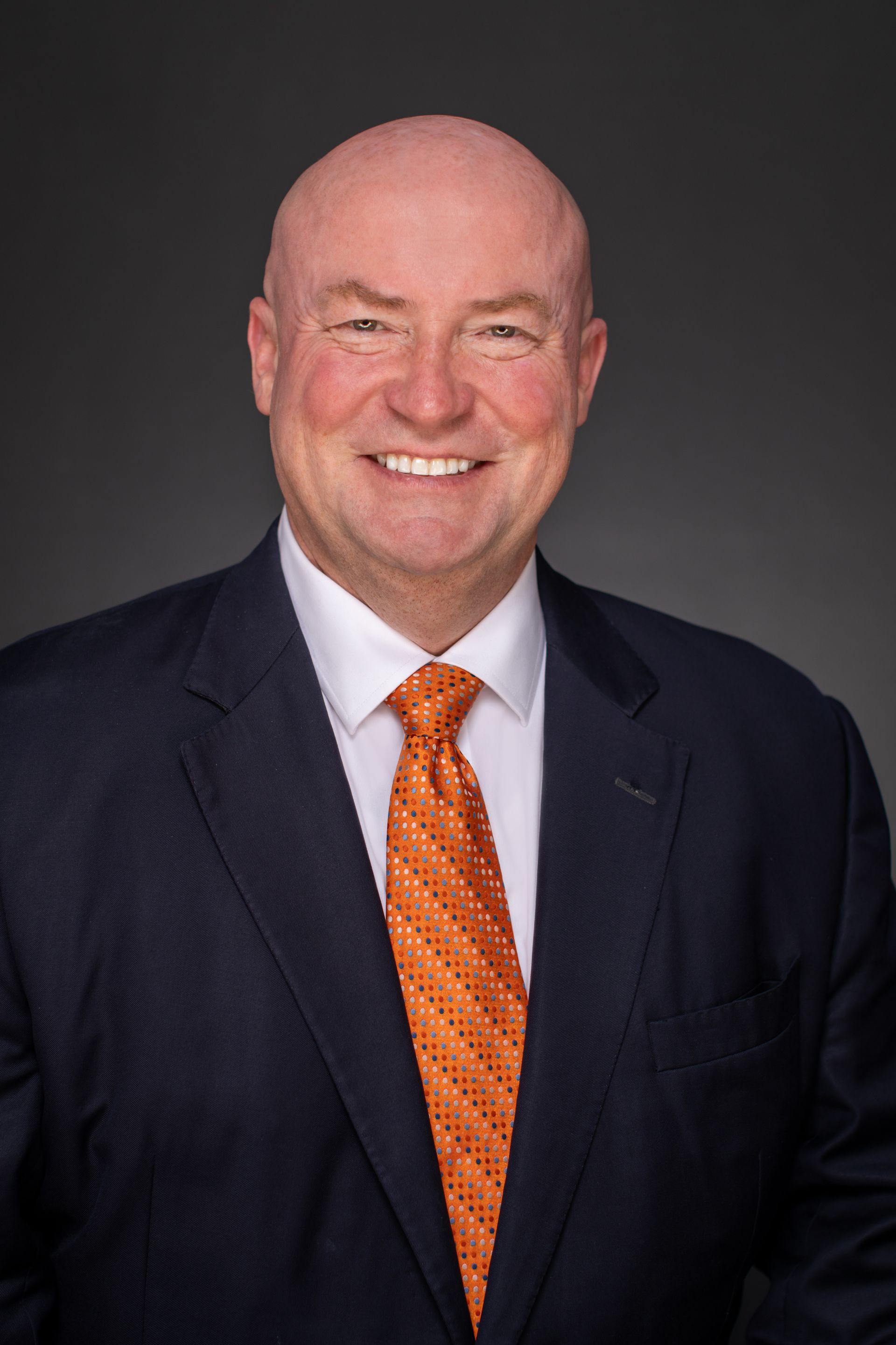
The Oklahoma Institute for Child Advocacy (OICA) announced today that Axay “Ax” Parekh of Tulsa has been elected President of its Board of Directors for 2026-2027. Parekh, a recognized leader in real estate, advocacy, and community engagement, brings a strong commitment to championing the needs of Oklahoma’s nearly one million children. OICA is a statewide nonprofit organization which has a primary focus on elevating advocacy issues and awareness regarding youth policy. Their goal is for every child to have access to safety, opportunity, and a brighter future. Parekh’s leadership marks an exciting step forward for the organization as it has been several years since the board president has resided in eastern Oklahoma.. “It is an honor to serve in this role,” Parekh said. “Our children deserve a future filled with hope, stability, and opportunity. I encourage everyone to join us in supporting this work.” As OICA launches its year-end fundraising drive, Parekh calls on friends, family, and supporters statewide to give before December 31 to help advance programs and advocacy efforts across Oklahoma. Contributions toward this nonprofit organization are classified as charitable donations and can be declared on one’s tax returns. Other officers elected to two-year terms include Rebekka Lucas of Oklahoma City, Vice-President; Terry Boehrer of Washington, Okla., Treasurer; Samonia Byford of Oklahoma City, Secretary; Sandy Foster of Lawton, Governance Chair; and Amanda Mullins of Norman, Past President. To contribute or learn more, please visit OICA’s website at https://www.oica.org 
By Joe Dorman December 8, 2025
With the beginning of December and upcoming celebrations, stress is an inevitable part of the season. Holidays are often portrayed as joyful and exciting, but many children experience significant stress. Changes in normal routine, more social events, travel plans (with inevitable disruptions), and elevated expectations often make this time of year feel overwhelming. Children may disguise their struggle, but many show stress through irritability, attachment, sleep disorders, or difficulty concentrating on tasks or with conversations. Recognizing early signs can help families intervene before stress builds to a level of disruption. Here are some suggestions offered to make the holidays much brighter for you and your children. Holidays often lead to a change in normal routines, and children thrive better when schedules stay relatively normal. It is recommended that while you might need to change some things such as times for meals or lose sleep with some travel, try to maintain as much normality as possible with their day-to-day activities. If you read to your children at night, continue to do so. If you take walks together or trips to the store, find time to keep that in place. Family or friends’ gatherings often provide excitement for many children, but for others, they simply add to stress levels. If a child needs to take time to go to their room or step outside to avoid an overwhelming feeling, allow them to break from the party to reset, and if they have had enough, try to keep the disruption down so they can have that quiet time in their own space. Try to involve children in the planning of activities. The more they feel involved and part of the event, the more likely they will enjoy it. If you have regular activities planned with them annually, gauge whether they have outgrown that and try to adapt to something similar but more within their age. Holidays can also trigger memories of loved ones lost. Children often connect with older relatives, and this time of year brings forth those thoughts of time together with people special to them. It is important to discuss those feelings of mortality with them and how it is not just them feeling that loss. Take that time to give them a hug and let them know they are not alone in how they feel. Gifts often add to stress levels. Many children want that one special gift that is the hot item of the year, but with economic struggles, it is sometimes difficult to find that item on a budget. If it is simply not possible, be honest with them that finances just will not allow it this year. Instead, consider giving time instead of items. For example, offer a weekend family excursion to a local festival or event which they would enjoy and include something tangible which will connect them to that event, such as a stuffed animal if going to a day at the zoo. If you do purchase presents, teach children the meaning of giving and ask them to assist with picking out gifts for family members. This will help them understand the thought that goes into presents and the need to budget if you establish a set amount to spend for items for multiple people. If stress levels are growing, try to recognize the signs. Young children do better when they can have a release, sometimes with simple things such as drawing, playing outdoors, putting headphones on to listen to music, or spending time with their hobbies. It is always suggested for parents to maintain a healthy amount of conversation with their children and listen to them to help assess when the tension is building. Easing their stress will also help your own stress level. I hope these tips help you navigate December and lead to a very happy 2026 for you and your children! 
By Jay Paul Gumm December 1, 2025
The Oklahoma Institute for Child Advocacy (OICA) through their project OK Foster Wishes is assisting Oklahoma Human Services (OHS) Holiday Hope program in an effort to provide support for foster youth in the state, according to Joe Dorman, OICA’s CEO. “Our goal is to raise $30,000 – enough to provide 200 gift cards of $150 each to teens in foster care,” Dorman said. “We’ve only raised $1,240 as of Monday, December 1, and that includes one $500 donation.” OICA has created a link for individuals to directly donate to the program. The donation page is found at https://tinyurl.com/2026HolidayHope . OICA has factored the processing fee for each card into the donation amount at the different levels to ensure all needs are met. “OHS asked us to take on this teen age range as those are often the ones who it is harder to shop for with items. This holiday season, you have the power to show a young person in foster care that they are seen and deserving of joy,” Dorman said. “These are youth who often feel anguish during a time of year that celebrates family, warmth, and belonging, a time when these children are unable to be with their biological parents. “These gift cards will provide Oklahoma’s teenaged foster children a chance to choose something for themselves, to experience independence, and feel the joy every young person should during the holidays. Together, we can make certain no young person in Oklahoma foster care feels forgotten. Your support can turn a simple gesture into a lasting message for them: you matter.” OICA has set up different levels for donations, so a person can give $25, $50, or even donate the full amount for a card, or multiple cards.  “We know many people are struggling financially this year, a clear indicator by the amount which has been raised so far, so we do not want anyone to place themselves in a tougher financial position,” said Dorman. “We are asking Oklahomans to consider helping with this endeavor and to give what you can to ensure these teens have a little brighter holiday season.” If an Oklahoman would rather contribute to support a local effort working with OHS, locations can be found at https://oklahoma.gov/okdhs/services/foster/holidayhope.html for giving. The deadline is approaching quickly to ensure a gift can be sent to a foster youth. -30- About OICA : The Oklahoma Institute for Child Advocacy was established in 1983 by a group of citizens seeking to create a strong advocacy network that would provide a voice for the needs of children and youth in Oklahoma, particularly those in the state’s care and those growing up amid poverty, violence, abuse and neglect, disparities, or other situations that put their lives and future at risk. Our mission statement: “Creating awareness, taking action and changing policy to improve the health, safety, and well-being of Oklahoma’s children.” About HOLIDAY HOPE: The Holiday Hope program, through Oklahoma Human Services and valued community partners like the Oklahoma Institute for Child Advocacy, is dedicated to spreading joy, support, and hope during the holiday season. Together, we work to brighten the holidays for foster families and children involved with Child Welfare Services by building community connections and ensuring every child experiences the warmth and magic of the season.
By Joe Dorman December 1, 2025
As we just celebrated Thanksgiving, I would be remiss to not express appreciation for those who work tirelessly for the youth of our state. Each year, the Oklahoma Institute for Child Advocacy (OICA) presents multiple awards for deserving advocates. In 2025, we were thrilled with each of the nominations, people or organizations doing exceptional work, and certainly for those selected as the winners by our board. Those selected are: The Jasmine and Melvin Moran Kidizenship Award was presented to Addison Sams, a high school freshman who is a Student Advocate for the Oklahoma Chapter of Decoding Dyslexia. The Laura Choate Resilience Award was presented to Dr. Bradley Mays, the Developmental Disabilities Council of Oklahoma’s Advocacy & Training Coordinator. The Dr. Dwight Sublett Health Care Award was presented to Dr. Ashley Weedn, a board-certified pediatrician and Assistant Professor at OU Health Sciences Center. The Sandy Garrett Educator Award was presented to Teresa Eichenberger, at Tulsa Public Schools Teacher who has helped with the education of youth in the Tulsa Juvenile Detention Center, leading to their first two graduates during time in the facility. The Ray and Pat Potts Community Leader Award was presented to Mayor Kim Peterson, for service as a board member for Kids Inc Guymon, Guymon United Way, Guymon Chamber of Commerce, and the City of Guymon Rodeo Board. The Burnes/Lichtenstein Journalism Award was presented to John Small, the managing editor of The Johnston County Sentinel in Tishomingo. The Senator Judy Eason McIntyre Inclusion Award was presented to children’s book author Mariana Llanos. The Jon Hansen Public Servant Award had two winners: Tulsa County Juvenile Detention Center Assistant Manager Penny Lewis and Ardmore Police Department Detective Landon Gary for his work in the investigation unit with a specialization in child crimes. The Steven A. Novick Child Advocacy Award also had two winners, Oklahoma Policy Institute’s child well-being specialist Jill Mencke and Stephen Garvin, a former Human Services worker of 18 years who helped shape Citizens for Children, a Stephens County nonprofit working to help keep biological families united. The Jari Askins Justice for Children Award was presented to attorney Cameron Spradling, who specializes in civil representation for children, survivors of sexual abuse, and victims of violent crimes. The H.E. “Gene” Rainbolt Corporate Citizen Award was presented to Love’s Travel Stops and Country Stores for their support of Children’s Miracle Network and multiple youth initiatives. The OICA CEO’s Recognition Award was presented to Dr. Amy Emerson, a Tulsa child advocate with a lengthy track record of service to youth programs, including service to Reach Out and Read and Lilyfield Empower Tulsa. The OICA Volunteer of the Year award was presented to James “Tony” Willis, who generously gives of his time to help OICA. These winners join other awards’ recipients presented earlier this year: The Honorable Joe Eddins, winner of the Laura Booy Public Servant Award, presented to a formerly elected/appointed Democratic official who has continued doing exception work for children. The Honorable Weldon Watson, winner of the Henry Bellmon Public Servant Award, presented likewise to a Republican official with the same qualifications. Justice Yvonne Kauger (retired), winner of the Kate Barnard Lifetime Achievement in Child Advocacy Award, for her efforts during her service as member of the Oklahoma Supreme Court to expand education through the Sovereignty Symposium and modernization of court systems. The Oklahoma City National Memorial and Museum, winner of our OICA Organization Advocate of the Year, for their programming which elevates civility conversations with youth. Kim Garrett Funk, winner of our Jay Scott Brown Individual Advocate of the Year Award, for her work with Palomar as founder and their Chief Visionary Officer.  Thank you to each of these amazing Oklahomans, along with everyone who has done exceptional work as child advocates. We are thankful for you!
By Joe Dorman November 21, 2025
Oklahoma has consistently lingered toward the bottom of state rankings when it comes to reading comprehension with elementary-aged students. Some leaders have offered solutions, and we at the Oklahoma Institute for Child Advocacy (OICA) agree change is needed, so long as it’s done responsibly. Last year, Senate Bill 362, the Strong Readers Act, changed policy for improving reading sufficiency, removing the “good-cause exemption” for students who do not demonstrate proficiency by the third grade. Some support reinstating third grade retention, using Mississippi as an example. The so-called “Mississippi Miracle” refers to their significant improvement in metrics, particularly fourth grade reading comprehension, over the last decade. This turnaround is attributed to bold reforms like an early literacy law that emphasizes phonics and includes third-grade retention for students who cannot read at grade level. Other contributing factors include using literacy coaches, mandating reading screenings, focusing on high expectations and student progress, and a necessity for providing opportunities to succeed – all which cost money. Mississippi has consistently been the poorest state in the United States for decades, and by a significant margin. It has the highest percentage of Americans living in poverty and places last or nearly last on a wide variety of metrics, to the point that the phrase, “Thank God for Mississippi,” is often used in other low-performing states as Mississippi usually spares them the shame of being dead last. Mississippi decided that being a laughingstock was unacceptable, and they did many things right. For Oklahoma, poor reading scores should be similarly unacceptable. If we want to see success with those young students who first must “learn to read” before they “read to learn,” then we need to do it the correct way long before third grade. First, leaders must invest in the right priorities. Policies should not simply hold children back who are behind in third grade so fourth grade levels show improvement, falsely implying success. Those retained third graders did not go away; we simply tested fewer children by isolating those who lacked earlier reading support. Holding back a third grader can cost the school district as much as $10,000 per year, according to Business Insider and the Education Commission of the States. For reading comprehension, real solutions will not be found overnight, and in fact, doing it wrong will cost the state significantly more, both in dollars and long-term problems. For the child, the trauma associated with being held back will impact them for the rest of their lives, spelling out point-blank to them that they are a failure, not that the system failed them. Retention also leads to increased dropout rates when the child cannot move forward. Students who cannot read proficiently by third grade are four times more likely to leave high school without a diploma, according to a 2011 study by the Annie E. Casey Foundation. Half the states and the District of Columbia have statewide reading initiatives requiring schools to retain students who do not read on grade level by the end of third grade; however, several states, like Michigan, have relaxed or suspended the retention provisions of their laws. A study conducted last year found Michigan school districts spent about $2,600 per-student-per-year implementing a reading initiative, including interventions like tutoring and summer school for students at risk of being held back, and for those who did repeat a grade. Policymakers must ensure funding is in place to support whatever policy they decide to enact. That includes having qualified educators in the classroom who understand reading fundamentals, such as phonics, rather than emergency certified teachers and semi-permanent substitutes, at these earlier grade levels. OICA wholeheartedly supports and encourages policies which will aid young children with achieving an elevated level of reading comprehension. Let’s learn from the mistakes made by other states and do it in a way which elevates learning, not just test scores.
By Joe Dorman November 18, 2025
The work done by the Oklahoma Institute for Child Advocacy (OICA), while always rewarding, can sometimes be stressful, and occasionally downright depressing. The statistics and real-world conversations about the things which impact children often wear on our team as we work to improve children’s lives. Still, one of the best and brightest parts of our work offsets the gloominess is our work on the Kid Governor® and 4-H Junior Governor programs. Through these projects, we see the hope these young Oklahomans have for a better future; that reinvigorates us, knowing we truly are making a difference. OICA helped initiate the original concept in 2015 with the selection of a young person to serve in the role of Kid Governor in conjunction with another nonprofit organization. The program morphed into the current project with the selection of our sixth Kid Governor. We partnered with the Connecticut Democracy Project to provide lesson plans for 5th grade teachers to use to better educate their students about government, the need to better understand civics, and the importance of voting once they turn 18. Last year, teachers were concerned about the program and all the classrooms which had normally participated had chosen to withdraw from the program. OICA pivoted to partner with Oklahoma 4-H to continue this program through a one-day conference for 4th, 5th, and 6th graders enrolled in their organization, which yielded an impressive slate of young leaders to fulfill that role for 2025. I want to thank Kid Governor® Emma Stephens from Ardmore; Kid Lt. Gov. Shawn Ferrell from Orlando; Kid Secretary of State Lawson Ream from Alva; and Kid Cabinet members Clayton Rohla from Roff, Ryan Young from Chickasha, Koda White from Vici, Alburto Harmon from Perry, and Harper Witt from Antlers for their work this year. For 2026, OICA was able to continue this 4-H partnership and rebuild our classroom component, allowing us to operate two separate opportunities for youth. The 4-H Junior Governor conference with more than 40 students in attendance selected their leaders November 1; our classroom Kid Governor® program completed its election just last week, with 1,187 students going through the lesson plans. Oklahoma’s Kid Governor® for 2026 is Katelyn Talley, a 5th grader from Valliant in southeastern Oklahoma. Her platform is animal abuse prevention. The Kid Lieutenant Governor is Sophia Chavarria Rivera, a 5th grader from Bethany, and her platform is the prevention of bullying. The Kid Secretary of State is Daphne Tanequodle, a 5th grader from Lawton, who was elected with a platform of addressing homelessness. The winners of the 4-H Junior Governor elections, their schools, and platforms are: • Junior Governor Riley Braden, from Brisco in Creek County. Riley is home schooled and ran on a platform to protect and promote the sanctity of life. • Junior Lieutenant Governor is Whitlee Moser from Perkins in Payne County. Whitlee attends Perkins Tryon Intermediate School and ran on a platform of education. • Junior Secretary of State is Riley Rudder from Fort Towson. Riley attends Rattan Elementary in Pushmataha County and ran on a platform of turtle conservation • The first Junior Cabinet Member is Lizzie Marlin from Adair in Mayes County. Lizzie attends Bernita Hughes Elementary and ran on the platform of smoking prevention and education. • The second Junior Cabinet Member is Victoria Justice from Depew in Creek County. Victoria is homeschooled and her platform is to prevent debt collectors from making spam calls. The student leaders will be inaugurated during a ceremony at the State Capitol on February 2, 2026, the opening day of the Oklahoma Legislature’s session. For more information about how you can help support the Kid Governor® program with a donation that helps provide mileage reimbursement for the students and allow us to operate the program, contact OICA at info@oica.org or call (405) 236-KIDS (5437). 
By Jay Paul Gumm November 18, 2025
2026 Kid Governor Katelyn Talley (left) & 2026 Junior Governor Riley Braden
By Jay Paul Gumm November 10, 2025
Advocates Focus on Economic Well-Being, Education, Health, and Family & Community
By Joe Dorman November 10, 2025
In October, the Oklahoma Institute for Child Advocacy (OICA) held our Fall Forum, a conference which annually assembles delegates for sharing ideas and brainstorming solutions for the many issues facing the children of our state. The theme this year tied in with the Annie E. Casey Foundation’s KIDS COUNT Report, a review of state statistics which uniformly look at how well states are performing on 16 different metrics under four different categories – Economic Well-being, Education, Health, and Family & Community assessments. Overall, Oklahoma ranks 46th out of the 50 states and the District of Columbia in child well-being. The delegates looked at ideas previously proposed by lawmakers, along with shaping creative solutions for problematic youth issues through policy. Experts presented on subjects associated with the four categories and shared their data about where the state is succeeding or falling short on addressing difficulties. In Economic Well-Being, the delegates suggested improvements for affordable housing policies to increase family stability and reduce homelessness and chronic absenteeism in school attendance, designed to improve educational outcomes. Another aspect was to support lawmakers’ efforts to expand paid family leave programs to help parents – those who are biological, foster, or adoptive – to better acclimate parents to the responsibilities in raising children. A third point was to enhance the child tax credit, allowing it to be refundable with reasonable income phase-outs. In the area of Education, a hotly debated category in recent years, advocates suggested the establishment and expansion of quality, affordable afterschool programs statewide for all grades. There was also the desire to require trauma-based education for future teachers and in continuing development requirements. Another conversation was to establish and adequately fund reading improvement programs to help ensure students are able to read at grade level and not be held back a grade. With Health, suggestions included that the state mandate child-safe laws to protect young Oklahomans by ensuring packaging and marketing of edible marijuana products is age-appropriate, and to provide access to prescription lockboxes for families at an affordable price. Further, advocates recommended expanding the “Food is Medicine Act” to support those with chronic diseases and other health concerns. They further promoted the adoption of a dental therapist program to help expand care throughout Oklahoma where there is limited access to care, with oversight provided by a dentist. The Family and Community category encouraged the creation of “Child Protection Courts” like the model in Texas, which would reduce the timeframe of issues in the courts involving children and also give judges specialized training and access to resources to help resolve concerns involving custody and other family-related cases. Another point suggested was to fund and sustain “family resource centers” which have been created to increase access to local supports such as referrals, transportation, and other vital services which are barriers to success. Other recommendations were for improving nutrition programs to increase access to fresh fruits and vegetables, accepting federal funds to provide summer feeding opportunities for youth directly, and to add further interventions for pre-arrest community programs for both youth and parents in partnership with local businesses and civic organizations. These items and the many others included can be found on our website at https://tinyurl.com/2026OICACLA . We will work with lawmakers to draft legislation and seek funding support for those which are taken up as bills or agency policies in the 2026 session. OICA will also assist other organizations to ensure that legislation seeking to enhance beneficial youth-based policies move through the state capitol successfully. Please follow along with our weekly Thursday newsletter, to which you can subscribe for free, at https://www.oica.org . 
By Joe Dorman November 3, 2025
I want to start by saying “thank you” to the governor and Oklahoma’s legislative leaders for the commitment to allocate $1 million in state funds per week over the next seven weeks to the two major food banks to assist with food distribution during the suspension of SNAP benefits. This will help many Oklahoma families who are struggling. Now, as Paul Harvey used to say, let’s look at the rest of the story. The normal monthly allocation from the feds to Oklahoma for SNAP is more than $120 million per month for the 684,000 people in our state who receive benefits. At the level which the state will provide, that only equals to be $5.85 per person per month for every Oklahoman who is on SNAP. Additionally, the food banks cannot reach every person on SNAP, and there is no specific requirement this supplement will go only to SNAP recipients due to added demands with so many government employees furloughed. With their families in need, there will be increased demand upon our food banks, statewide and local. What they can do is leverage your donation for larger amounts of food, so this is a worthy effort. In some good news, two separate federal judges ordered the Trump Administration to use contingency funds designed to pay SNAP benefits when money is short. This is not a new thing; these funds have been used by every other administration to cover SNAP during government shutdowns. Leaders said they would not appeal the decisions, meaning SNAP could start being at least partially funded later this week. Even with this, please do what you can to help those in your community because people are likely to face even greater struggles with Thanksgiving and other holidays coming soon. This is not the only major concern right now for American families. Enhanced premium subsides for the Affordable Care Act (ACA) are slated to end, causing premium costs to skyrocket for many enrollees by approximately 26% in 2026. These tax credits, passed several years ago, and extended through 2025 by the Inflation Reduction Act, are set to expire. These credits lowered costs for many and made previously ineligible middle-income individuals eligible for insurance at a reduced cost. Those Americans with incomes over 400% of the federal poverty level will lose eligibility for the enhanced credits without congressional action, forcing these significant premium hikes. Many lower-income enrollees in ACA insurance also will endure an increase in their out-of-pocket costs, something they cannot afford. Without these tax credits, many will have to end health insurance coverage altogether due to higher costs, leading to more uninsured individuals seeking emergency care and potentially straining hospitals to the point of closure, as we have already seen in Oklahoma. This is a central point of debate in the federal government shutdown. Many Democrat officials are refusing to vote reopen the government unless negotiations on these subsides are continued. They believe this provides leverage for them to demand the continuation of these subsidies and to lower costs for those on ACA insurance. In contrast, many Republicans do not feel this is a role of government and should be left to the private sector to meet needs, with ACA and SNAP alike. Those wanting compromise are being drowned out by the fringe sides of both political ideologies seeking a “win” on these issues. Meanwhile, American families are facing cuts to food support, increased health insurance costs, and for government employees, a loss of their paycheck until the shutdown ends. Please reach out to your elected leaders and share your own story about how this is impacting you, as these officials depend upon your vote to continue in office and receive their own paychecks following next November’s elections. 
More Posts